
Minnesota's adult-use cannabis market launched on September 16, 2025, and it is moving fast. By April 2026, approximately 148 licensed dispensaries were operating statewide, monthly sales hit a record $22 million in March 2026, and MJBizDaily projects full-year 2026 adult-use sales could reach $430 million. The market is still early, supply is tighter than demand, and new licenses are still being awarded. Operators who move now and build compliant operations from day one have a genuine edge.
Because the market is still settling under the Office of Cannabis Management (OCM), the rules, fees, and timelines keep evolving. Whether you're a legacy operator or new to the space, this guide walks you through what it takes to open a licensed dispensary in Minnesota in 2026: licensing, inspections, operational readiness, and launch. Always confirm current details with the OCM before acting.
In This Post
- Understand Minnesota Cannabis Licensing Requirements
- Develop a Robust Security Plan, Store Layout, and SOPs
- Choose a Cannabis POS Built for Minnesota Compliance
- Hire and Train a High-Performing Team
- Launch Your Website
- Streamline Operations with API Integrations
- Set Your Dispensary Up for Long-Term Success in Minnesota
- Minnesota Dispensary FAQs
Understand Minnesota Cannabis Licensing Requirements
To open a dispensary in Minnesota, you need to meet several critical requirements: the right license, Metrc seed-to-sale compliance, municipal approvals, and a passed OCM inspection. These are the foundational steps that get you compliant and open.
Who Regulates Cannabis in Minnesota
Minnesota legalized adult-use cannabis in 2023. The Office of Cannabis Management (OCM) handles licensing, rules, inspections, and enforcement. (Minnesota shares the "OCM" acronym with New York's regulator, but they're entirely separate agencies with different rules. Don't assume one state's process maps to the other.)
License Types
Minnesota uses a tiered license structure spanning cultivation through retail. For storefront operators, the key tiers are the Cannabis Retailer, Cannabis Microbusiness, and Cannabis Mezzobusiness licenses.
Caps matter: the Cannabis Microbusiness license is uncapped, while the Cannabis Mezzobusiness and standalone Cannabis Retailer licenses are capped and awarded by lottery. Under Minnesota statute, OCM is required to review whether the number of available licenses is consistent with statutory goals beginning July 1, 2026, which could affect caps going forward. Study the Cannabis Retailer tier first and confirm the current list of license types, caps, and any pending cap adjustments with the OCM.
Social Equity Applicants
Minnesota built social equity into its rollout from the start, giving qualifying applicants priority access, including earlier application windows and preference in capped-license lotteries. If you may qualify, confirm the criteria early. It can materially change your timeline and your odds.
The Application and Lottery Process
For capped license types, Minnesota uses a lottery among qualified applicants. The licensing process runs in distinct phases: application submission, qualification review, lottery (for capped types), preliminary approval, Final Plan of Record (FPOR) submission, local certification, inspection, and final license issuance.
Key things to plan for:
- Confirm the open window and whether your license type is lottery-based or first-come.
- Form your business entity and assemble ownership disclosures.
- Meet pre-application requirements: financing, an operating plan, and social-equity verification if applicable.
- Submit during the window and pay the fees.
- If selected, note that preliminary approval is not a license to operate. You have up to 18 months (with a possible six-month extension for demonstrated good-faith progress) to convert preliminary approval into full licensure by completing your FPOR and passing inspection.
The rollout has a contested history: an earlier social-equity preapproval lottery planned for November 2024 was canceled, then a court in April 2025 ordered the OCM to proceed. Treat any date you read elsewhere as provisional and verify with the OCM directly.
Location Rules
Expect local zoning and registration requirements on top of your state license. Minnesota law requires dispensaries to be at least 500 feet from schools, public parks, and libraries, and sited in areas zoned for commercial or industrial use. Minnesota also gives municipalities a defined role, and local approval can be the gating step. Don't sign a lease before confirming the site qualifies under both state and local rules. Note that as of writing, legislation (SF 4401) was advancing that would set a statewide minimum floor on local retail access. Confirm current local requirements before you commit to a location.
Costs and Timeline
Budget for application and licensing fees, plus real opening costs: build-out, real estate, security, inventory, staffing, and working capital. Fees are still evolving, so pull current numbers from the OCM rather than relying on older figures. Timelines depend on license type and lottery rounds, but plan for months from application to opening, and up to 18 months from preliminary approval to full licensure. Remember that federal 280E disallows most operating-expense deductions, so plan your cash and tax reserves accordingly.
Compliance with Metrc and State Regulations
Once you have conditional approval, compliance becomes your most important ongoing operational discipline.
Minnesota uses Metrc as its official seed-to-sale tracking system. Every cannabis product must be tracked from arrival to sale or destruction. Here's what that means in practice:
- Track-and-trace inventory: Every product must be linked to a Metrc package tag. Sales must be accurately reported and packages depleted correctly to avoid discrepancies.
- Sales limits and customer verification: You're responsible for enforcing purchase limits and verifying legal age. Your POS should handle these checks automatically at check-in and point of sale.
- Staff training: Everyone handling cannabis must understand Metrc and follow state protocols. Build Metrc training into your onboarding process from day one.
- Background checks: As of March 1, 2026, all cannabis businesses and prospective employees who have not yet completed a background check must do so through the Bureau of Criminal Apprehension (BCA) process. Build BCA processing time into your staffing and onboarding plans.
Compliance isn't a one-time setup. It's an ongoing operational discipline, and the right tools and routines keep you out of trouble when inspectors come calling.
Develop a Robust Security Plan, Store Layout, and SOPs
To operate a cannabis dispensary in Minnesota, you'll need a comprehensive security plan that protects your staff, customers, and inventory while meeting OCM and local law enforcement expectations.
Security Plan Requirements
A well-developed dispensary security plan isn't just a compliance requirement. It's a critical tool to protect your team, your customers, and your investment. Your written security plan will be reviewed during licensing and inspection. At minimum, it should address:
- Surveillance and intrusion detection: 24/7 video coverage across all sensitive areas with monitored alarm systems and documented emergency response protocols.
- Secure inventory and access control: Cannabis products stored in locked, access-restricted areas with systems tracking who enters inventory zones.
- Incident protocols and reporting: Clear SOPs for documenting and reporting theft, loss, or suspicious activity per OCM regulations.
Read more: How to Build a Dispensary Security Plan: 7 Expert Strategies
Store Layout Considerations
The best floor plans are built for compliance, efficiency, and security, not just aesthetics. Consider:
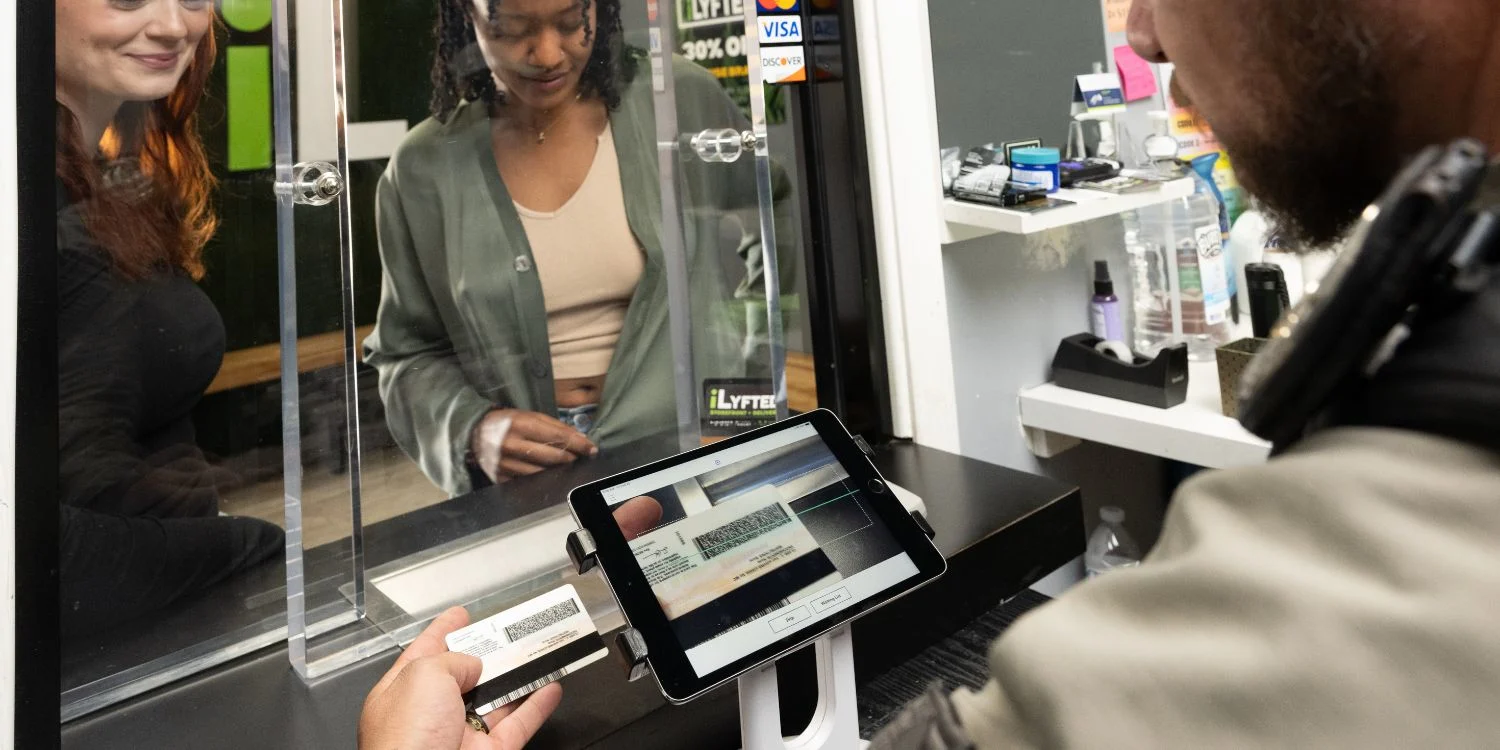
- Clear entry and check-in zone: Customers are greeted in a designated area where IDs are verified before they access the sales floor.
- Secure fulfillment area: Inventory stays away from high-traffic areas, with access limited to trained staff.
- Smooth traffic flow: A sales floor that avoids bottlenecks, accommodates foot traffic, and supports accessibility.
- Surveillance visibility: Clear camera views with nothing blocking coverage zones.
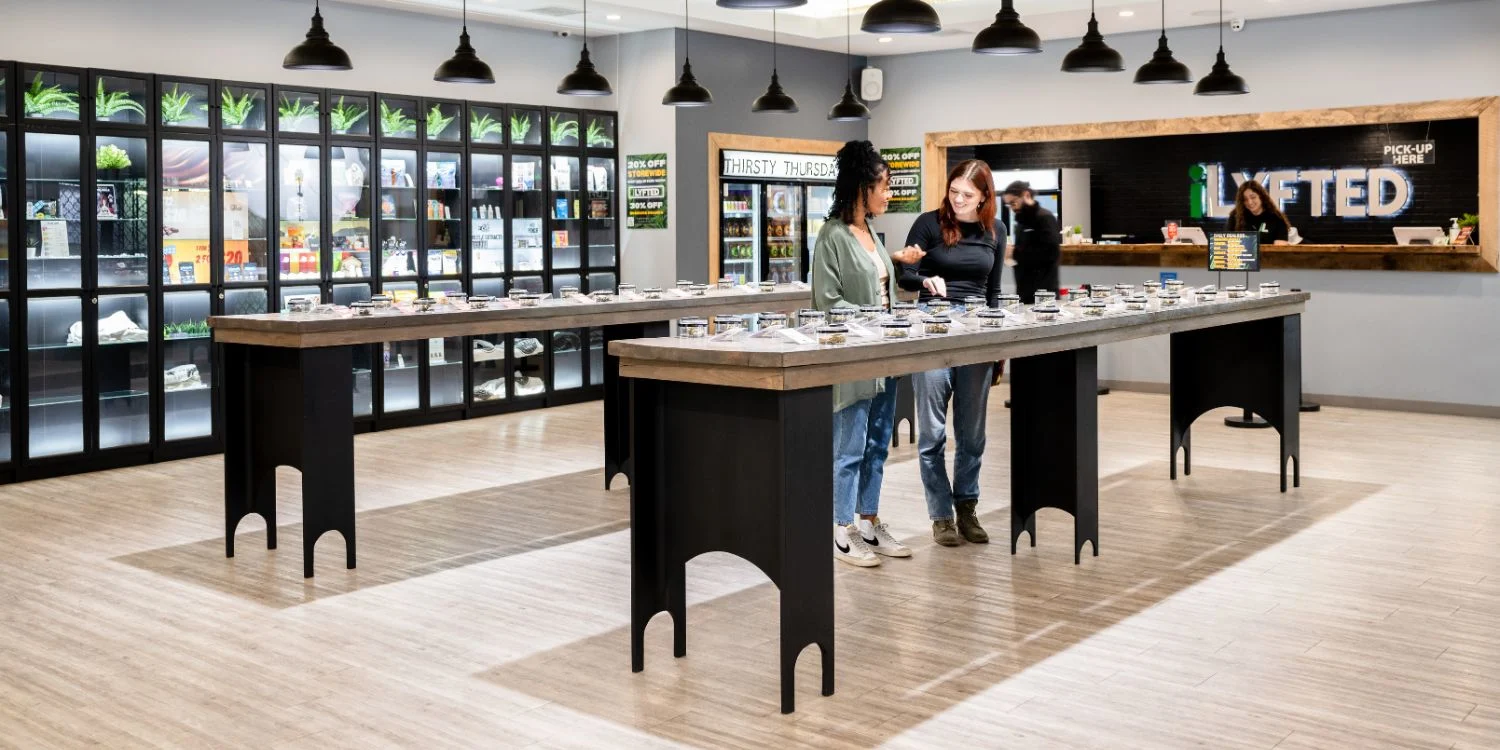
A well-designed store layout, paired with a strong security plan, will help you pass inspections, protect your team, and create a safe, welcoming environment for your customers.
Read more: Choosing the Best Sales Model for Cannabis Retail Success
Standard Operating Procedures (SOPs)
SOPs are how you maintain consistency, safety, and compliance across every shift. Whether it's opening, closing, receiving inventory, or handling an incident, clear written procedures keep your team aligned and your operation inspection-ready.
Read more: Cannabis Dispensary Opening Checklist | Closing Checklist
Choose a Cannabis POS Built for Minnesota Compliance
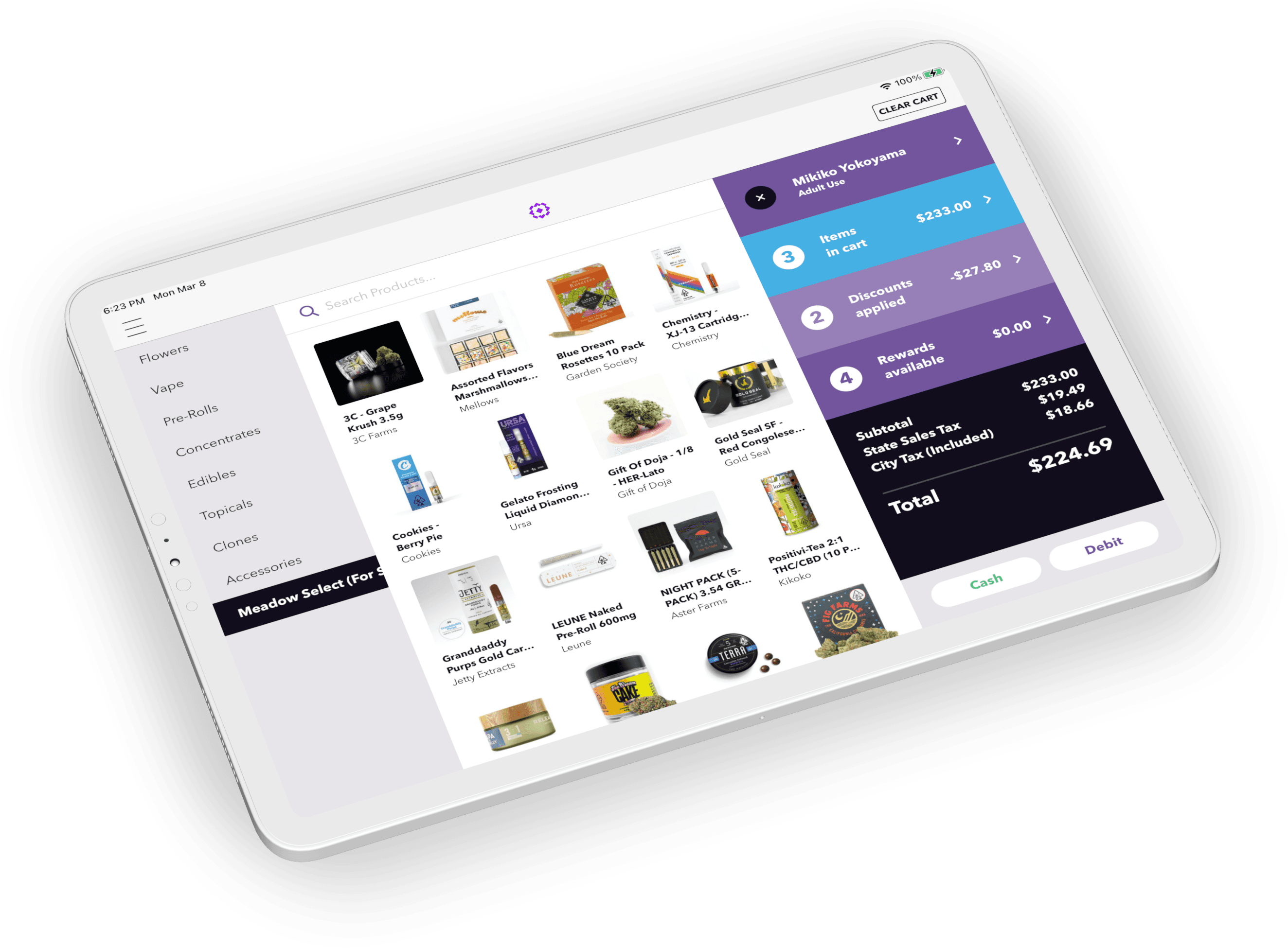
Your point of sale is the operational backbone of your dispensary. From ringing up customers to managing inventory, syncing with Metrc, and enforcing purchase limits, your POS needs to keep you audit-ready and running efficiently from day one.
As you prepare to launch in Minnesota, look for a system purpose-built for cannabis retail that aligns with OCM regulations and supports your specific store workflows.
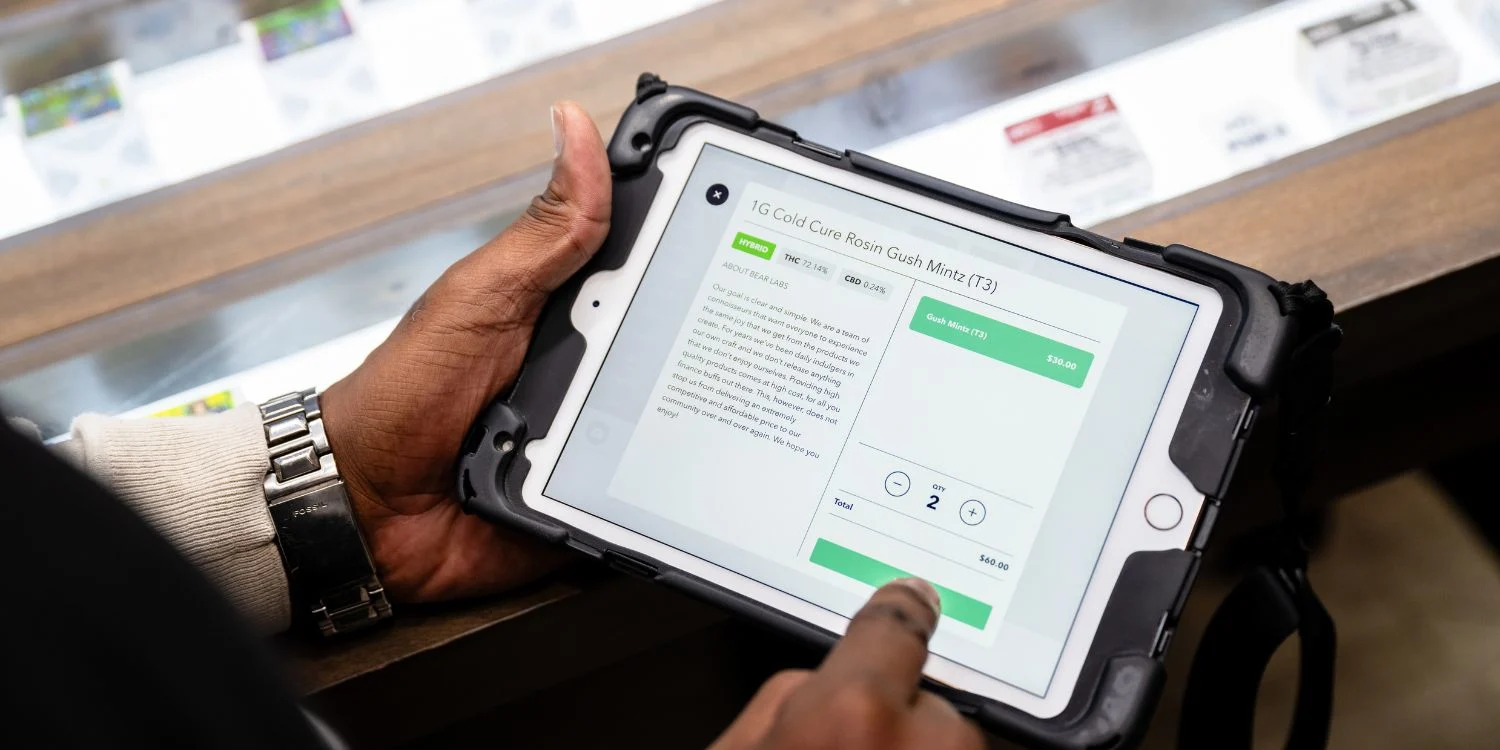
Key Features to Look For in Cannabis POS Software
- Metrc integration: Real-time sync with Metrc is non-negotiable. It keeps inventory accurate, automates sales reporting, and prevents issues like ghost inventory or negative balances.
- Support for diverse retail workflows: Your POS should adapt to your in-store model, whether that's quick counter service, guided consultations, or fulfillment-first operations, all from one integrated platform.
- Inventory management tools: Built-in receiving, labeling, cycle counts, and audit logs keep inventory in sync and compliance issues from compounding.
- Live eCommerce menu: Your online menu should reflect current inventory in real time and provide a seamless experience for customers ordering ahead or browsing from home.
- Built-in text marketing: Drive repeat visits by sending targeted SMS campaigns directly from your POS, with no third-party tool required. The strongest platforms also integrate with dedicated loyalty and marketing tools like Alpine IQ, so you can start simple and scale up as your program grows.
- Loyalty and CRM capabilities: Retain customers with rewards, automated promos, and personalized outreach.
- Actionable reporting and insights: Sales, product, and staff performance data should be easy to pull and act on, so you make faster, smarter decisions.
- Uptime and support: A reliable system with responsive support means your team has what it needs during peak hours and inspections.
- Staff training tools: Intuitive onboarding and guided resources get new hires up to speed fast without pulling experienced staff off the floor.
Since 2014, Meadow has helped dispensaries navigate compliance, scale operations, and serve their communities. Whether you're opening your first store or expanding into Minnesota's new market, our platform and team are here to help you launch with confidence.
Read more: The Complete Guide to Choosing a Cannabis Dispensary POS System
Hire and Train a High-Performing Team
Your dispensary's success depends on the strength of your team. From budtenders to inventory managers, each role plays a critical part in compliance, customer service, and day-to-day operations.
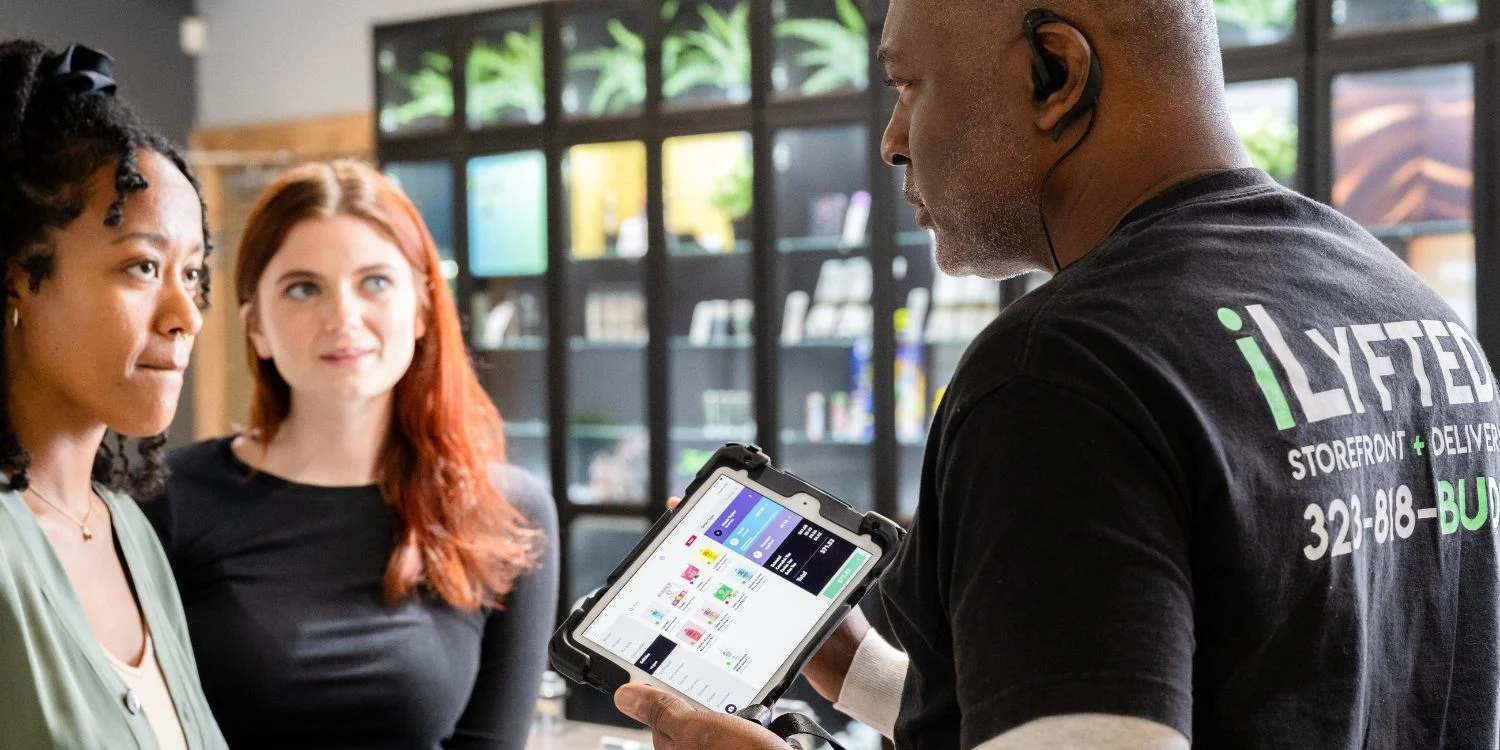
Key Roles to Fill
Hire for core positions including:
- Budtenders who can educate customers and stay compliant with age and purchase limits
- Inventory Managers who maintain Metrc accuracy and oversee receiving, tagging, and reconciliation
- Store Managers who lead the team, manage daily operations, and serve as the main point of contact for regulators
Set user permissions based on role to protect your data, streamline access, and ensure each team member has the tools they need without risking compliance or security.
Read more: Team Permissions and Access Controls for Cannabis Retail
Training Essentials
Every team member should be trained on:
- Metrc basics and how their actions impact compliance
- POS and workflow tools for check-in, order creation, and fulfillment
- Customer service best practices
- Security protocols and how to respond during inspections or incidents
To speed up onboarding and reduce training time on the floor, Meadow offers Meadow Mastery, a self-paced video training series covering essential POS features and retail workflows, the fastest way to get your team confident and operating in a compliant, professional environment.
Read more: Budtender Training Best Practices for Your Dispensary
Launch Your Website
A real-time online menu is the foundation of any cannabis retail business. Here's what to look for when choosing and setting one up.
Live inventory sync. Your menu should update automatically the moment a product is sold, restocked, or repriced, across your website, Weedmaps, Leafly, and any pickup channels. A menu that shows out-of-stock products loses customer trust and creates manual work.
Mobile-first design. Most cannabis customers browse and order from their phones. Choose a menu solution that loads fast, looks clean on mobile, and makes checkout simple. Page speed affects both conversion and search ranking.
Built-in SEO. Your online menu should generate unique URLs for every product and category page, not load everything through a single iframe. Unique URLs are indexable by search engines and help customers find specific products directly from Google.
Easy integration. Look for a menu that connects to your POS without custom dev work, ideally a single line of code, and syncs inventory automatically so you're not manually managing multiple listings.
💡 How Meadow handles this: Meadow's Menu Pro keeps every menu in sync in real time across all channels, generates unique SEO-friendly URLs for every product page, and deploys with one line of code. See how Menu Pro works
Read more: How to Create a Great Cannabis eCommerce Shopping Experience
Streamline Operations with API Integrations
As your dispensary grows, your tech stack will expand beyond POS and ecommerce. API integrations let your tools, payments, CRM, marketing, and accounting, talk to each other in real time, eliminating duplicate work and manual data entry.
Common dispensary integrations include compliant payments (PIN debit, ACH, digital), marketing and SMS platforms that trigger off purchase behavior, and accounting tools like QuickBooks to speed reconciliation and tax prep. Operators who invest in connected systems early are best positioned to thrive as Minnesota's market matures.
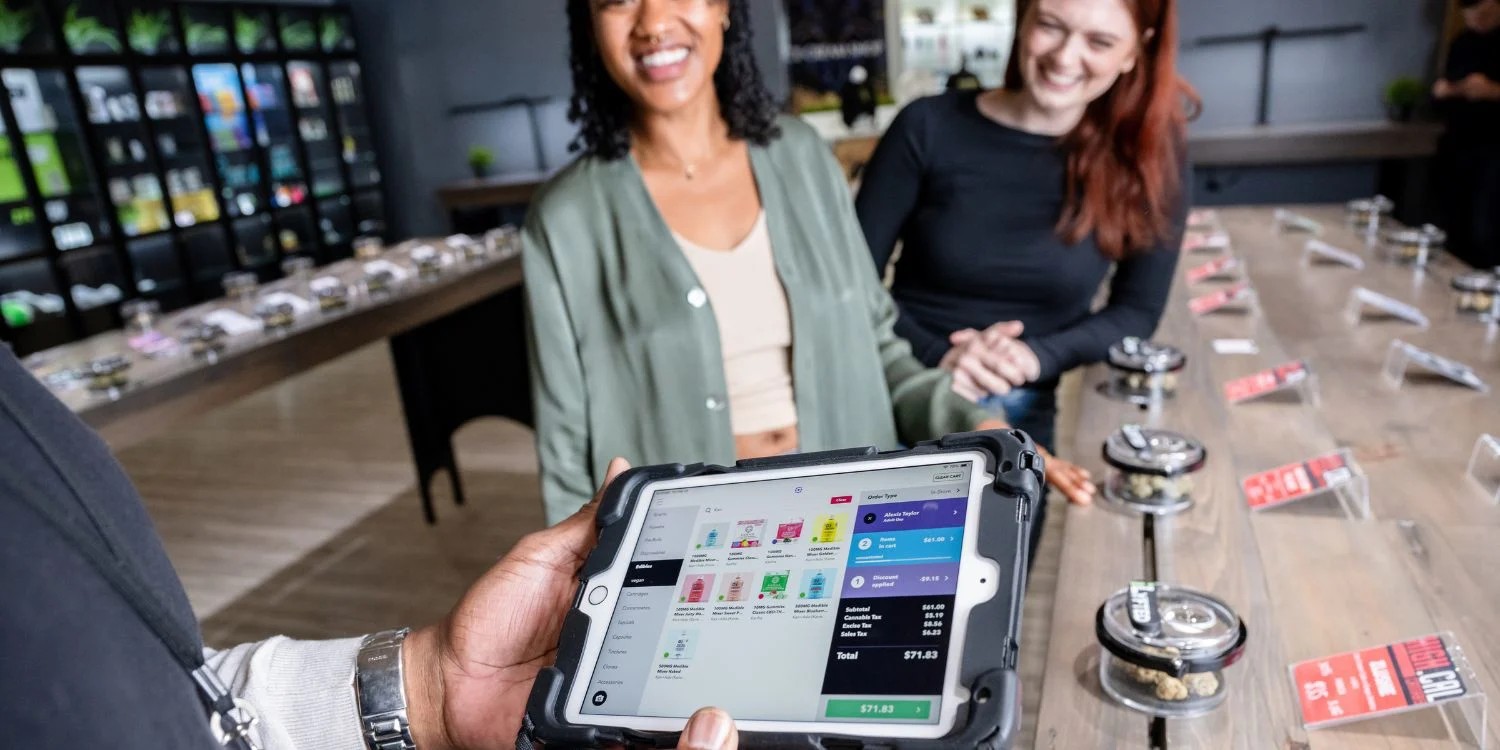
Check out Meadow's API Integration Partners.
Set Your Dispensary Up for Long-Term Success in Minnesota
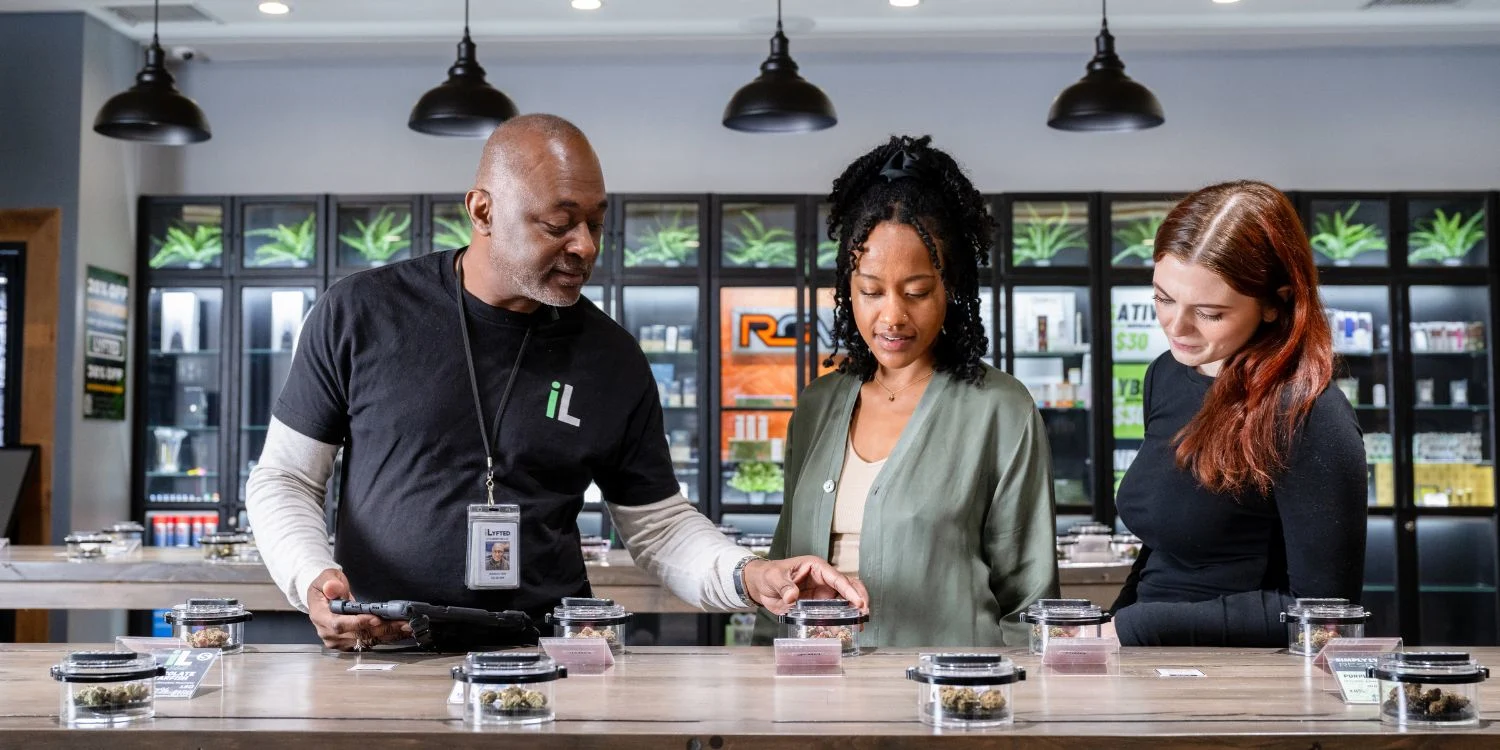
Opening a dispensary in Minnesota requires careful planning, the right partners, and a clear understanding of the state's evolving regulations. From building your team and setting up your store to implementing Metrc and selecting compliant tech, every decision you make now shapes the strength and sustainability of your operation.
Operators who build smart systems, train staff thoroughly, and design thoughtful workflows will be better equipped to meet compliance standards, serve their customers, and grow over time.
Meadow has spent the last decade supporting dispensaries in complex, compliance-heavy markets. We know what it takes to go from license to launch, and how to keep things running smoothly as you scale. If you're getting ready to open your doors in Minnesota, we're here to help.
Minnesota Dispensary FAQs
How do I get a dispensary license in Minnesota?
For capped license types, the Cannabis Mezzobusiness and standalone Cannabis Retailer, Minnesota awards licenses by lottery among qualified applicants, with priority for verified social equity applicants. The Cannabis Microbusiness license is uncapped. Form your entity, prepare ownership and financing disclosures, and submit during an open window. If selected, you'll have up to 18 months to convert preliminary approval into full licensure. Always confirm current requirements and windows with the OCM.
When did Minnesota dispensaries open?
Adult-use retail sales launched on September 16, 2025, following the state's first license lotteries in mid-2025. As of April 2026, approximately 148 licensed dispensaries were operating statewide, with new locations continuing to open each month.
Does Minnesota use Metrc?
Yes. Minnesota uses Metrc as its official seed-to-sale tracking system. Every product must be tracked from arrival to sale or destruction, and your POS should sync with Metrc in real time.
How much does it cost to open a dispensary in Minnesota?
Plan for application and licensing fees plus real opening costs: build-out, real estate, security, inventory, staffing, and working capital. Fees are still evolving, so confirm current amounts with the OCM and budget for federal 280E tax exposure.
What is the 18-month preliminary approval deadline?
After winning a lottery and receiving preliminary approval, Minnesota operators have up to 18 months to complete their Final Plan of Record, pass inspection, and obtain a full license. A one-time six-month extension may be available if you can demonstrate good-faith progress. This is one of the most important regulatory deadlines to track.
What background check does Minnesota require for dispensary staff?
As of March 1, 2026, all cannabis businesses and prospective employees who have not yet completed a background check must do so through the Bureau of Criminal Apprehension (BCA) process. Build this processing time into your hiring and onboarding timelines.
Opening a Minnesota Dispensary? Talk to the Team
Minnesota's market is still early, and that's exactly when it matters most to have a proven partner. Meadow has guided operators through launch, compliance, and growth in Metrc states for over a decade. We'll help you build the right systems from day one.