
Every week at Xzibit's West Coast Collective, the inventory manager has to answer a question that sounds simple enough: what do we order?
Answer it for one dispensary and it's a manageable job. Answer it for several stores across Los Angeles, each with overlapping SKUs, its own sales rhythms, and its own roster of vendor relationships, and the question gets complicated fast.
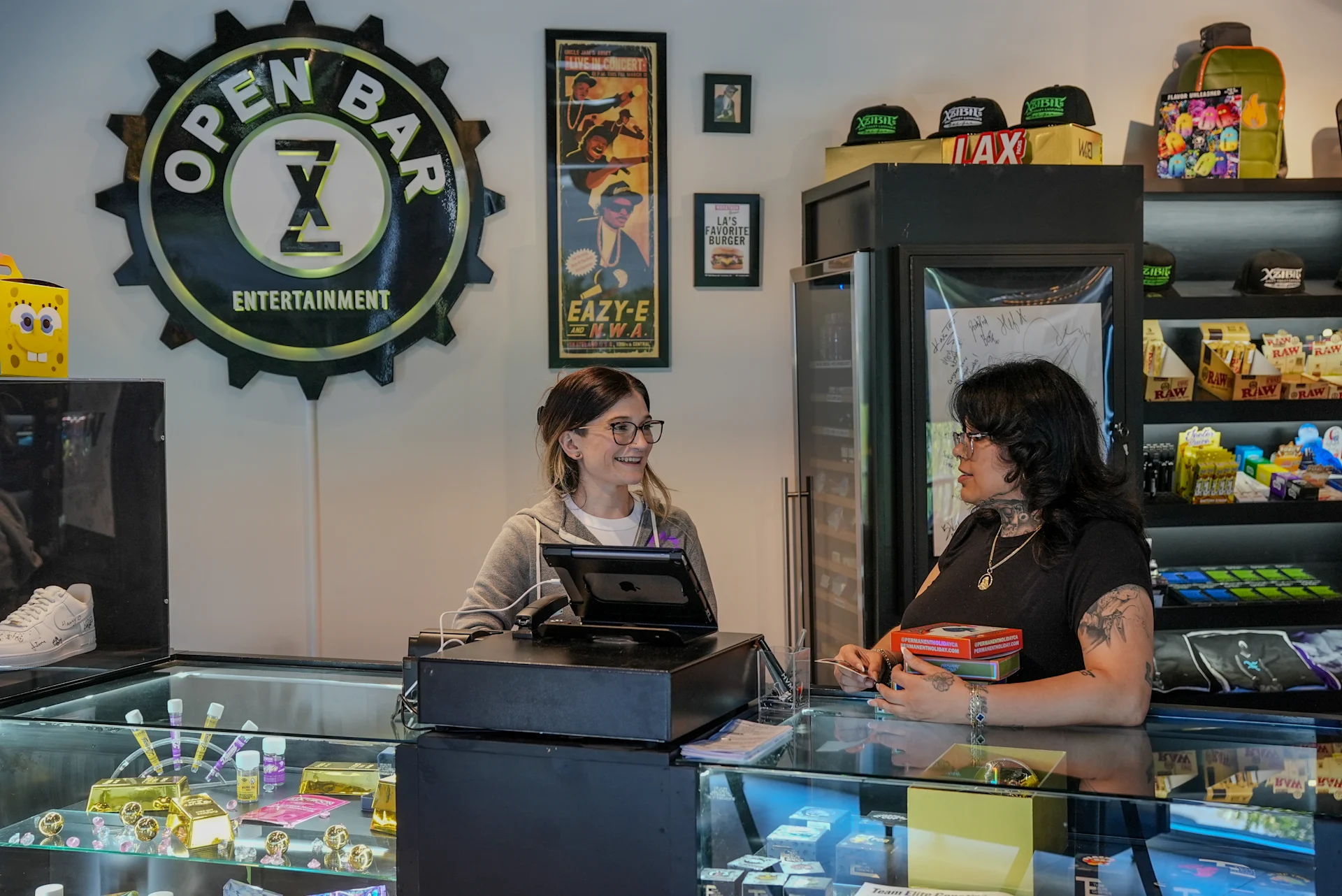
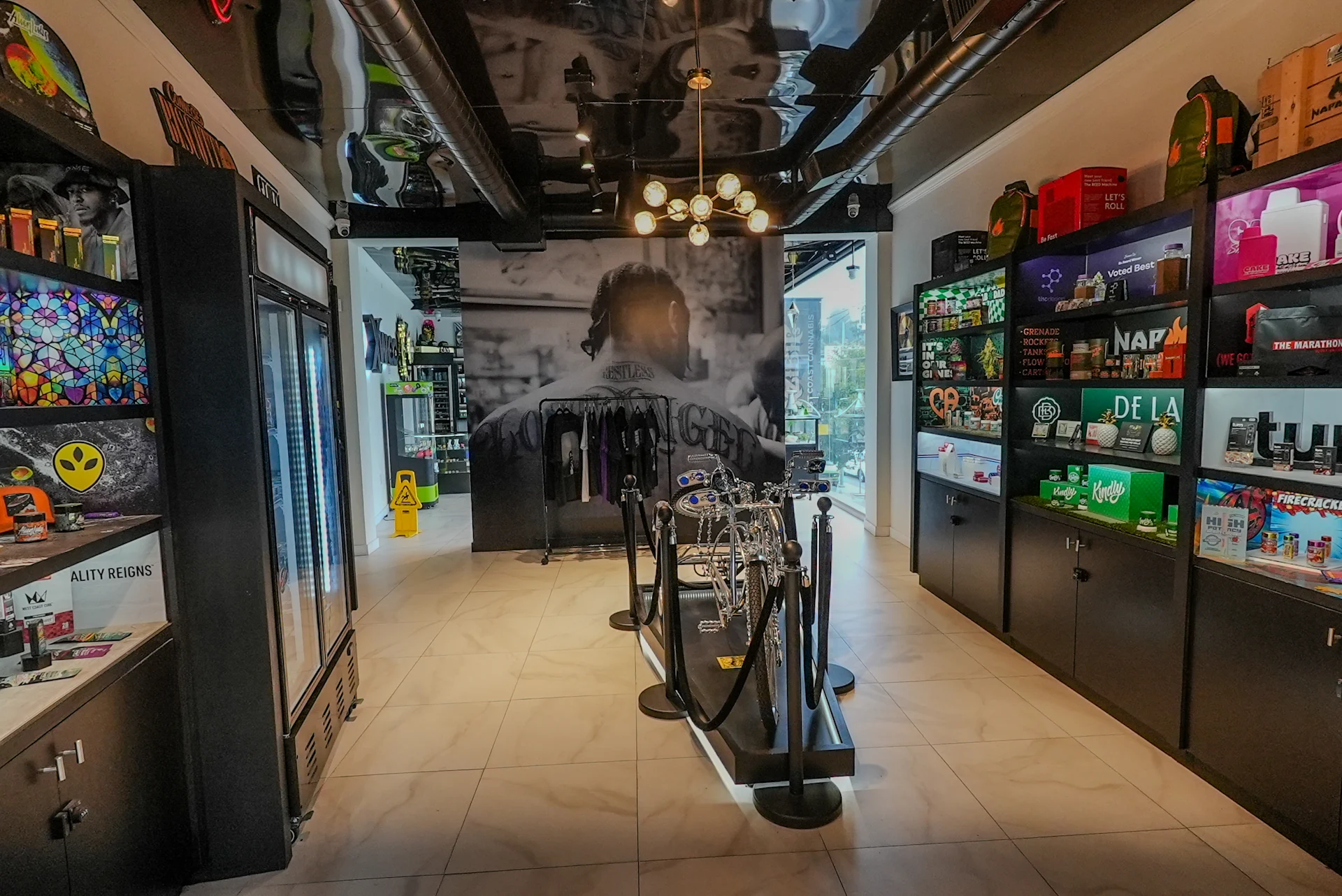
The stores themselves offer a fantastic customer experience. Founded by West Coast legend Xzibit, XWCC built its name on curated menus, a loyal customer base, and a standard of quality that matches the neighborhoods it serves. The team had already unified every location on Meadow, and the floor was fast and consistent. But the buying desk was running on effort and institutional knowledge, and as the operation grew, that gap grew with it.
This is the story of how XWCC closed it.

In This Post
- The Challenge: A Buying Process Running on Memory
- The Turning Point: The Data Was Already There
- The Integration in Action
- The Outcome: Time Back, Cash Unlocked, Team Aligned
- Looking Ahead
The Challenge: A Buying Process Running on Memory
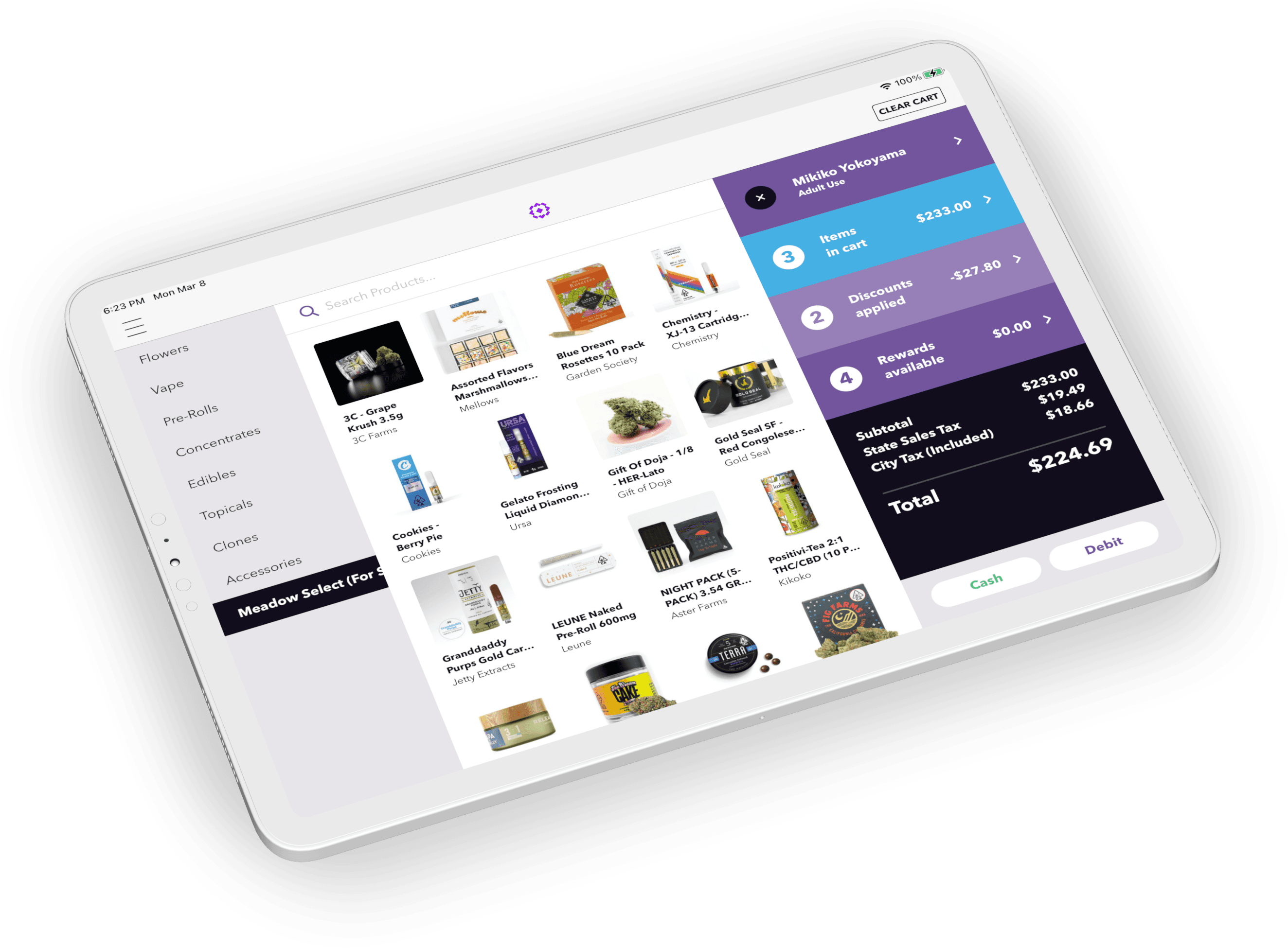
Meadow gave every XWCC store a strong operational foundation: clean inventory velocity data, intuitive POS workflows, reliable compliance tracking every milligram, and native reordering tools that handle the day-to-day. For most single-location dispensaries, that is more than enough.
Multi-store buying asks more. The knowledge holding it all together lived in people instead of systems: which vendors run long lead times, which SKUs rotate in and out, what a healthy par level looks like at each store. Training someone new into the buyer seat took time, because there was no playbook to hand over.
And while the team merged the data together, the costs compounded quietly. Cash built up in slow-moving SKUs nobody had flagged. Over-ordering crept in wherever demand was guessed instead of measured. The work got done every week, but nobody would have called it dialed in.

The Turning Point: The Data Was Already There
The realization that changed the buying function was this: every answer the buying desk needed already existed. Every transaction at every register, every inventory movement, every sell-through curve was being captured in Meadow, in real time, at every store. The problem was never the data. It was that no one had the hours to turn that much of it into decisions, week after week, across a whole operation.
That is exactly the job Happy Buyers was built for. Made by Happy Cabbage Analytics for the buying side of multi-location cannabis retail, it connects directly to Meadow and turns sales data into buying intelligence: demand trends by store, category, brand, and SKU. Reorder quantities calculated from real par levels and actual vendor lead times. Aged inventory alerts with dollar amounts attached.
Meadow runs the store: sales, inventory, compliance, and eCommerce. Happy Buyers runs the buying. Connect them, and the data Meadow captures at the register flows straight into the decisions the buyer makes every week. The sales floor and the buying desk finally run off the same source of truth.
The Integration in Action
With Meadow feeding clean data into Happy Buyers, the weekly buy follows a rhythm instead of a scramble:
- Weekly review. Happy Buyers surfaces KPIs and trend data across all locations, delivered straight to the buyer's inbox.
- Smart reorder quantities. Demand is calculated at the product line level, including rotational SKUs.
- Order creation. Purchase orders are built in seconds against live Meadow inventory and sent directly to vendors from one platform.
- Aged inventory alerts. Slow movers are flagged with dollar values attached, so markdown decisions are proactive instead of reactive.
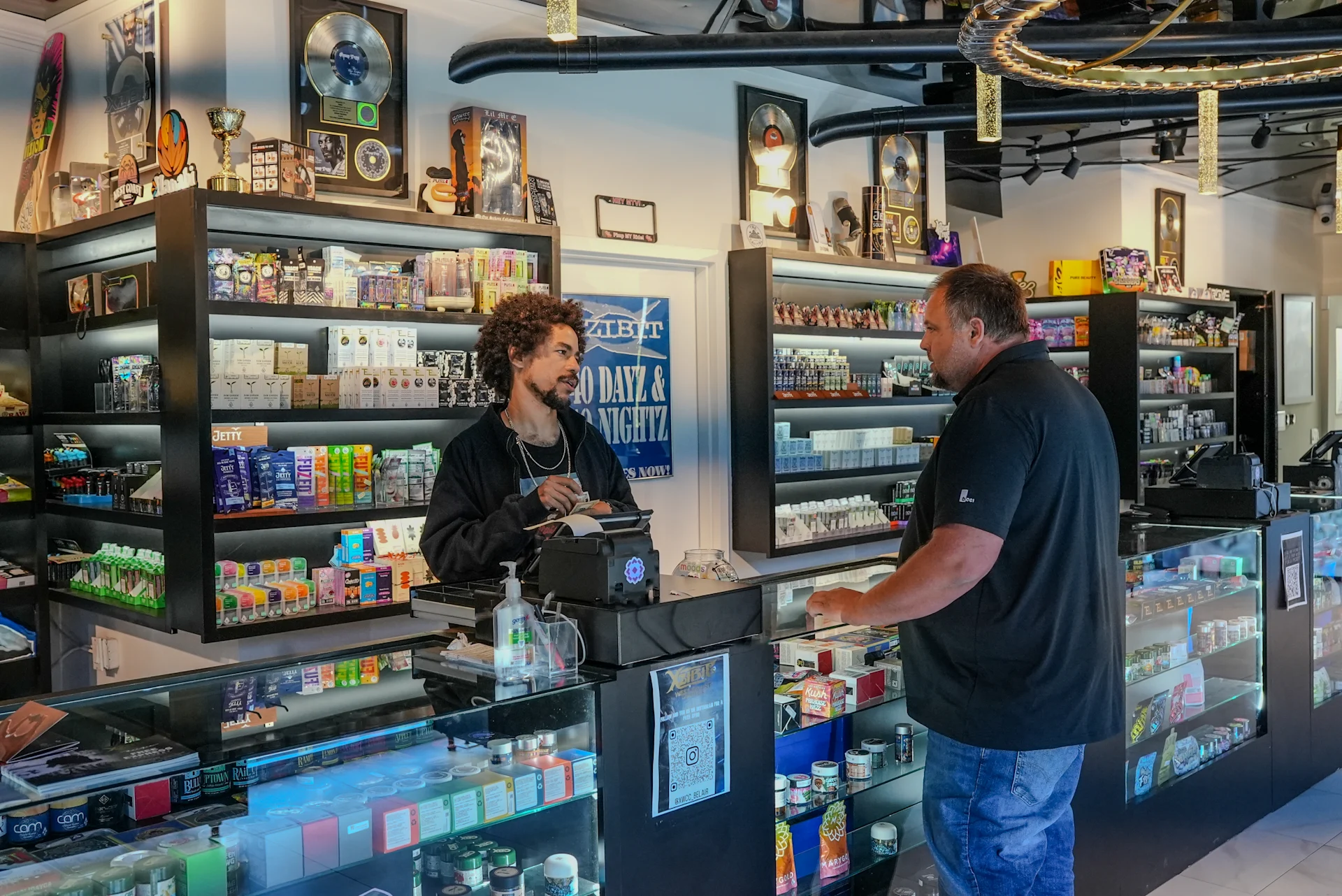
Having Meadow as our POS makes the day-to-day easy for our budtenders. It's built for dispensaries, not retrofitted from some other industry. And when that's paired with Happy Buyers, the buying side finally feels just as dialed in. Everything we need is right there, from a single SKU all the way up to how a whole category is trending.
Mike, General Manager, Xzibit's West Coast Collective
The Outcome: Time Back, Cash Unlocked, Team Aligned
The change shows up everywhere the buying function touches.
Hours back every week. The ordering process gets done in a fraction of the time. That time goes back into the parts of buying that actually matter: discovering new brands, building vendor relationships, and staying ahead of what customers want.
Cash freed from slow movers. With aged inventory surfaced early and tied to real dollar amounts, XWCC stopped letting cash sit quietly in underperforming SKUs. That capital now goes toward stocking what sells.
Cleaner menus, better margins. Accurate sell-through data and demand-based reorder logic mean less over-ordering, fewer markdowns, and a tighter menu at every location.
A team in sync. Weekly KPI emails keep managers across stores aligned on what is moving, what is not, and where to focus, without anyone digging for the data themselves.
We know what we have, we know what we need, and the integration keeps the information flowing flawlessly. That's a completely different way to run a dispensary.
Jamie, Inventory Manager, Xzibit's West Coast Collective
Looking Ahead
XWCC is continuing to grow across Los Angeles, and the stack grows with it. Meadow keeps the operational core consistent at every new store. Happy Buyers keeps the buying intelligence sharp as the SKU count, vendor list, and location footprint expand. What used to live in one person's head is now a workflow anyone on the team can run confidently, at any store, no matter how big the operation gets.
Ready to Get More From Your Dispensary Tech Stack?
Ready to unlock more from your dispensary tech stack? Book a Meadow demo and learn more about the Meadow x Happy Cabbage integration.