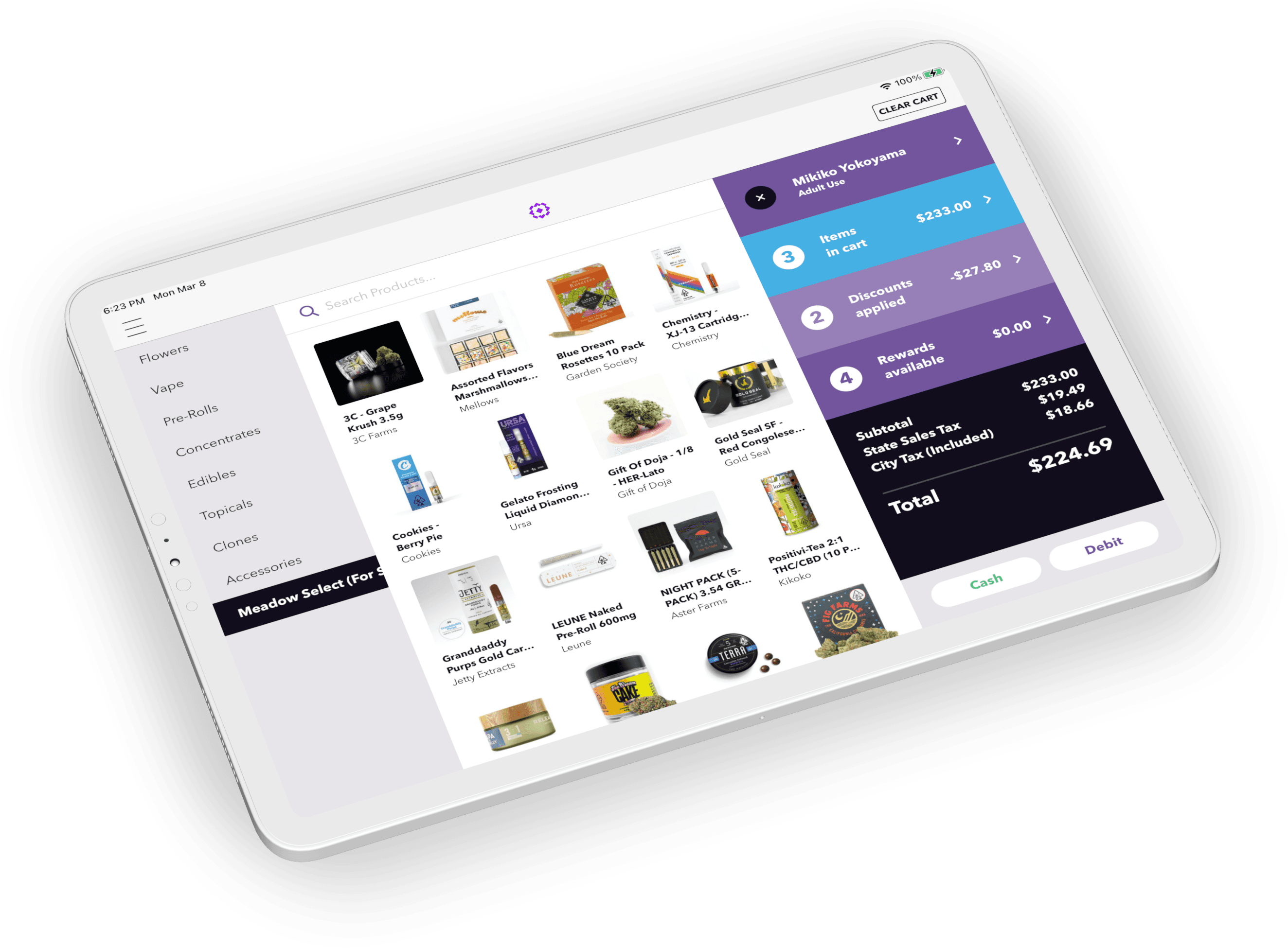

A dispensary loyalty program is a structured way to reward repeat purchases so customers choose your store over the one down the street. It tracks what someone buys, gives them credit for it, and lets them redeem that credit later. Built on real purchase behavior rather than guesses, it changes how often people come in.
This guide covers the three structures a program can take, the five data points that make segmentation possible, what quietly breaks programs that looked good on paper, and how to tell whether yours is working.
In This Post
- Why Loyalty Programs Matter More Than Ever
- What Customers Expect From a Dispensary Loyalty Program
- The Three Program Structures and When Each One Fits
- Start With the Right Data
- Segment Customers by Behavior
- Personalize Rewards Based on Data
- Combine Loyalty With Inventory Insights
- What Breaks a Dispensary Loyalty Program
- Measure What Works and Refine
- Keep It Simple for Staff and Customers
- Turn Loyalty Into Community
- Common Questions
Key Takeaways
- Points, tiers, and non-discount rewards are the three shapes a dispensary loyalty program can take, and the right one depends on your visit frequency and how consistent your average basket is.
- A 2022 meta-analysis of 429 effect sizes found strong evidence that loyalty programs lift behavioral loyalty, meaning repeat purchases and visit frequency, while shifting how customers feel about a brand is considerably harder.
- Segmentation runs on five data points already sitting in your point of sale: purchase frequency, average order value, product preferences, customer lifetime value, and discount sensitivity.
- Visit frequency is the primary lever a program moves. Basket size only moves when the structure rewards spend thresholds rather than visits.
- A program customers cannot see does not change anyone's behavior, which makes balance visibility an implementation decision rather than a marketing one.
Why Loyalty Programs Matter More Than Ever
Customer retention is cheaper than acquisition, and in cannabis retail loyalty drives consistent sales even when foot traffic dips. The most successful dispensary loyalty programs are built on data.
When you use your sales and customer data to shape loyalty campaigns, you stop guessing about what motivates your customers and start rewarding the behaviors that actually grow your business.
The reason this carries more weight in cannabis than in most retail categories is that your differentiation options are unusually limited. You cannot advertise on Google or Meta to U.S. consumers. You often carry the same brands as your nearest competitors. Price is a race to the bottom that hurts your margin before it hurts theirs. What is left is service, experience, and a reason to come back.
It is worth being precise about what a program actually delivers. The most comprehensive evidence available is a 2022 meta-analysis in the Journal of the Academy of Marketing Science covering 429 effect sizes from studies published between 1990 and 2020. It found strong evidence that loyalty programs enhance customer loyalty, with a specific split: programs particularly enhance behavioral loyalty, while shifting consumers' attitudinal loyalty is more challenging. Translated for a dispensary, expect a well-run program to bring existing customers back more often. Do not expect it to make them love you.
The same analysis found that effectiveness differs systematically depending on program design, specifically structure, reward content, and how rewards are delivered. Design is not a detail. It is the variable.
What Customers Expect From a Dispensary Loyalty Program
Expectations for a dispensary loyalty program are set by other retail, not by cannabis. Your customers have Starbucks and Sephora in their pocket, and their standards came from there.
What they expect:
- To know where they stand without asking. If the balance is only visible when a budtender looks it up, most customers stop tracking it, and a reward nobody is working toward does not change behavior.
- No separate signup. Enrollment should happen at check-in using information you already collect. Asking someone to download an app or fill out a form at the counter loses most of them.
- The same balance everywhere. Points earned in store should be redeemable online and on delivery, and the reverse.
- Rewards worth the effort. If it takes twelve visits to earn 5% off, the math is not compelling enough to change where someone shops.
- Redemption that is not a hassle. One tap at checkout. Not a coupon code, not a printed voucher, not a manager override.
That last cluster is where most programs fail. The strategy is usually fine. The friction is what kills it.
The Three Program Structures and When Each One Fits
Most dispensary loyalty programs are some combination of three structures, and the right mix depends on your basket size, your visit frequency, and your state's rules.
| Structure | How it works | Best fit |
|---|---|---|
| Points | Earn credit per purchase, redeem for a discount, cash back, or product | Frequent visits, consistent basket |
| Tiers | Benefits unlock as lifetime spend grows | Wide gap between casual and heavy customers |
| Perks | Access and recognition instead of price cuts | Tight margin, or state limits on giveaways |
Points is the default for a reason. It is simple to explain, simple to run, and customers already understand it. The main decision is earn rate and redemption value, and the main mistake is setting both so conservatively that nobody reaches a reward.
Tiers are particularly effective at protecting your top customers from a competitor's promotion, because someone with status has something to lose by shopping elsewhere. The risk is complexity: if your staff cannot explain the tiers in one sentence, customers will not chase them.
Perks protect margin, which matters because discounting is the most expensive way to reward loyalty and it trains customers to wait for a deal. Early access to a drop, reserved allocation, birthday recognition, priority pickup, or free delivery over a threshold all read as status without costing you gross margin. Our guide to building a profitable dispensary discount strategy covers the margin math, and Dispensary Customer Retention: Keeping Your VIPs has a fuller menu of perks along with California's specific restrictions on giveaways.
Targeting layers on top of whichever structure you pick, and that is where the real return is. The next three sections cover it.
One thing to confirm before you design any of this: rules on discounting, free product, giveaways, and customer incentives vary by state and change. Check your current state regulations and confirm anything you are unsure about with your compliance lead before you launch.
Start With the Right Data
Strong loyalty programs rely on data that gives you a clear view of your customers' habits. Pulling the right information from your point of sale helps you understand what keeps shoppers coming back.
Look at:
- Purchase frequency: How often customers visit, and how that changes over time.
- Average order value (AOV): Which groups spend more per visit.
- Product preferences: Which categories or brands drive repeat visits.
- Customer lifetime value (CLV): Your best indicator of long-term loyalty.
- Discount sensitivity: Who buys only on deals versus who spends steadily year-round.
💡 How Meadow handles this: All five of these live inside your point of sale and customer profiles in Meadow, so pulling the segmentation baseline is a report rather than an export-and-merge project. Loyalty and Rewards in Meadow →
Segment Customers by Behavior
Segmentation is the difference between blasting a discount to everyone and creating a loyalty offer that hits the right people at the right time.
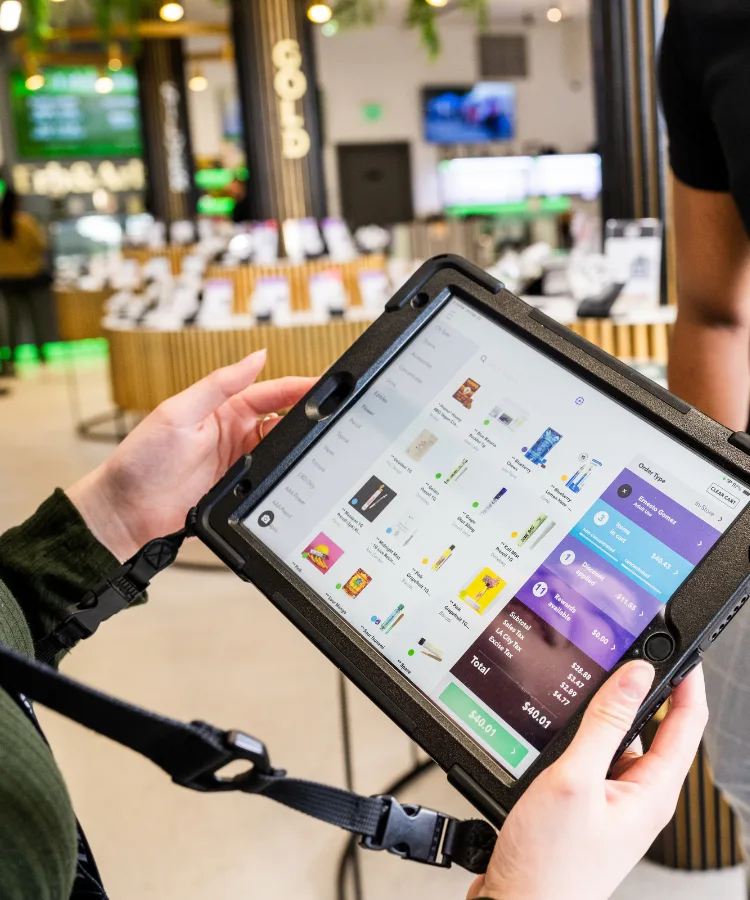
You might group customers by:
- New vs. returning: Offer a double points day for first-month customers to keep them engaged.
- High spenders: Reward them with early access to limited drops.
- Lapsed customers: Send a message with an incentive to return.
- Category lovers: If someone always buys edibles, tailor an edible-specific reward instead of a generic offer.
In broader retail, brands like Sephora and Starbucks have perfected this strategy. Cannabis retailers can take the same approach using point of sale data to personalize offers without breaking compliance rules.
Personalize Rewards Based on Data
Generic rewards programs do not drive much loyalty. Personalization does.
Use your data to identify which rewards actually move the needle:
- If someone regularly shops on Fridays, time your reward message to hit that morning.
- If someone's average ticket is under $50, offer a small reward at $60 to lift basket size.
- Track which offers get redeemed and which do not, then adjust future campaigns.
Over time you can see which incentives perform best for each customer group and use that insight to shape next quarter's loyalty strategy.
Combine Loyalty With Inventory Insights
Pairing loyalty data with inventory reports is one of the easiest wins available to a dispensary.
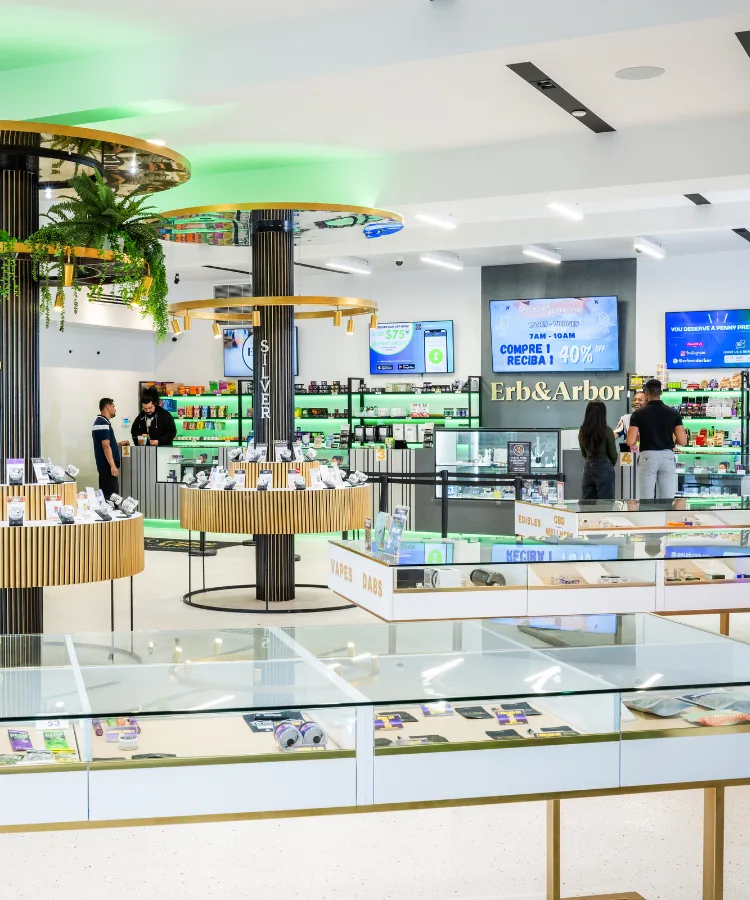
If you have slow-moving SKUs, offer double points on those products to clear shelves without deep discounting.
If certain items sell out every month, reward loyalty members who pre-order or pick them up early.
The goal is to move product strategically, not just give away margin. Data makes that possible.
What Breaks a Dispensary Loyalty Program
Most dispensary loyalty programs fail on execution rather than design, and the failures are predictable.
Loyalty lives in a different system than the point of sale. This is the big one, and every other problem on this list gets worse when it is true. When rewards are tracked in a separate tool, balances go stale, staff reconcile two systems, points do not appear on receipts, and online and in-store balances drift apart.
Coast to Coast ran loyalty on a separate system before consolidating:
It was tough having loyalty on a different system as it never tied into the point of sale. When we did introduce Meadow, their built in loyalty points works out really well for us. It's streamlined, and their points show up on the receipt for the customer, which makes them really happy. It's been great to have a single system that has loyalty built into the same system as POS.
Corey Schwartz, COO, Coast to Coast
The detail worth stealing is the receipt. Putting the balance in front of the customer at the end of every transaction does more for a program than most of the strategy around it, because it is the moment the customer learns their last purchase moved them closer to something. How The Higher Path fixed online loyalty is the more expensive version of the same problem, where the gap sat between the register and the online menu.
Nobody enrolls customers. If a large share of your transactions are anonymous, the program cannot work, because you have no idea who is buying what. This is a front-desk workflow problem, not a software problem, and it is fixable with training and a reason for staff to care.
The rewards are unreachable. An earn rate that takes fifteen visits to produce a small discount does not change behavior. Customers do the math once and stop paying attention. Give people a realistic first reward early.
Nobody reviews the data. Programs get launched and then left alone for two years. Enrollment rate, redemption rate, and frequency lift should be on someone's monthly report, with permission to change the structure when the numbers say to.
If your loyalty program runs in a different system than your point of sale, you are paying for a program your customers cannot see. Meadow has loyalty built into the same system as the register and your online menu, so balances are accurate everywhere someone shops. Book a Call to Learn More
Measure What Works and Refine
A loyalty program moves two numbers, and it is worth being precise about which one you are watching.
Visit frequency is the primary lever, and it is the one the research supports most strongly. A customer with a banked balance has a reason to come back to you specifically.
Basket size moves when your program rewards spend thresholds rather than visits. Tiered structures and "spend X, unlock Y" mechanics raise average order value because they give a customer a reason to add one more item. Flat per-visit rewards do not.
Track these monthly and you will know whether the program is working:
- Percentage of transactions tied to an enrolled customer profile. If this is low, the problem is at check-in, not in the program.
- Repeat purchase rate. Did loyal customers come back faster? Pick a window that matches your category rhythm and hold it constant so the trend means something.
- Average order value. Did rewards increase basket size?
- Redemption rate. Which offers actually converted? Near-zero redemption means the rewards are too hard to earn.
- Lifetime value. Is your base growing or shrinking?
Watch all of them after every change: a new reward tier, a promotion, a win-back campaign, a staffing shift. Most retention programs fail quietly because nobody checked whether the last change helped. Reporting in your point of sale should make this a few minutes of work rather than a spreadsheet project.
Keep It Simple for Staff and Customers
Data can guide your decisions, but execution needs to be simple.
Staff should know what rewards are running and who qualifies. Customers should have an easy way to see their points. A complicated loyalty experience can kill even the smartest campaign, which is why the friction items in the expectations section above are worth more attention than the structure debate.
Turn Loyalty Into Community
The best dispensary loyalty programs go beyond discounts and make customers feel part of something bigger.
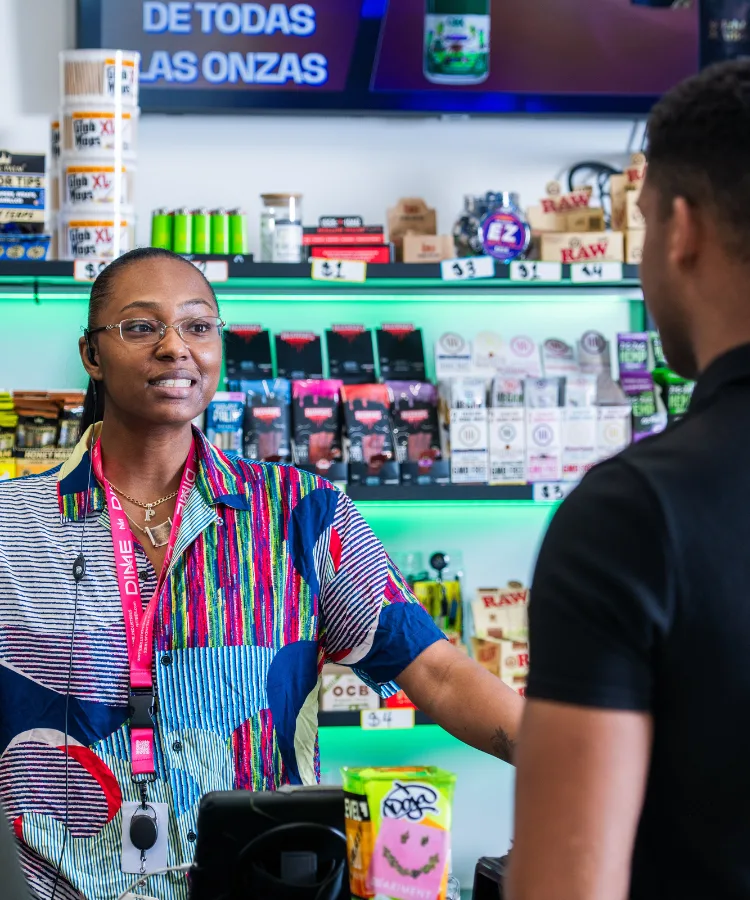
Use data to identify your most engaged shoppers, then invite them to member-only drops, product tastings, or educational sessions. Show them they are valued beyond the transaction. That is what keeps them around long after the sale.
Common Questions
How do dispensary loyalty programs work?
A dispensary loyalty program tracks a customer's purchases through their profile in your point of sale and awards credit, usually points, based on what they spend. Customers redeem that credit for discounts, cash back, or product on a later visit. The strongest programs make the balance visible to the customer at every transaction and let them redeem both in store and online.
What kind of data should we start with when launching a loyalty program?
Begin with five metrics from your point of sale: purchase frequency, average order value, product preferences, customer lifetime value, and discount sensitivity. Those five tell you who your loyal customers really are and give you enough to build your first segments. You do not need new tools to get them.
What is a good points earn rate for a dispensary?
Set it so an average customer reaches a meaningful reward in roughly three to five visits. Anything slower and customers stop tracking it. Start there, watch your redemption rate for a quarter, and adjust. Near-zero redemption means the rewards are too hard to earn.
How complex should the loyalty program be for staff and customers?
Keep it simple. If staff do not clearly understand who qualifies or how to apply rewards, or if customers struggle to check balances or redeem offers, even the most data-driven program will fail. Run one structure you can explain in a sentence and add complexity once you know it works.
Do loyalty programs actually increase dispensary revenue?
They reliably increase how often existing customers come back. A 2022 meta-analysis of 429 effect sizes found strong evidence that loyalty programs lift behavioral loyalty, and that effectiveness varies with how the program is structured and how rewards are delivered. Basket size moves only when the structure rewards spend thresholds rather than visits. The practical test is your own data: compare visit frequency and average basket for enrolled customers against anonymous ones.
Beyond discounts and points, what are some creative loyalty approaches worth trying?
Use your data to identify top customers, then offer early access to limited releases, members-only drops, exclusive events or educational sessions, reserved allocation on high-demand products, or tailored recommendations based on past purchases. These create a sense of value beyond the transaction and, unlike a price cut, they do not come out of your gross margin.
More Resources for Dispensaries
- Dispensary Customer Retention: Keeping Your VIPs in 2026
- Smarter Ways to Discount: Building a Profitable Dispensary Discount Strategy
- Cannabis Dispensary Mobile Apps: A Retention Playbook
- How to Improve the Customer Experience at Your Dispensary
- How Off the Charts Opened 30+ Dispensaries in 2 Years with Meadow
Build Repeat Business, Not Just Traffic
Getting a customer through the door once is the expensive part. Meadow puts loyalty in the same system as your point of sale and your online menu, so balances are accurate everywhere, rewards are easy to redeem, and your team can see who is worth taking care of. We have been building cannabis retail software since 2014 as Y Combinator's first cannabis startup, and we work with operators across California, New York, New Jersey, Michigan, Massachusetts, and Minnesota.